What the Hands, Heart, and Crown Symbolize in Claddagh Jewelry
Understanding the Claddagh Symbol
The Claddagh ring is one of the most recognizable pieces of Irish jewelry, and its design carries a layered meaning that has resonated for centuries. At its heart are three distinct elements: two hands, a heart, and a crown. Each part represents a specific virtue, and together they form a message about love, friendship, and loyalty. For anyone learning how to wear Claddagh rings, understanding what these symbols mean is a natural first step. The meaning does not change with the metal or the price, but knowing the symbolism helps a buyer choose a piece that matches the occasion and the relationship.
The Hands: Friendship and Trust
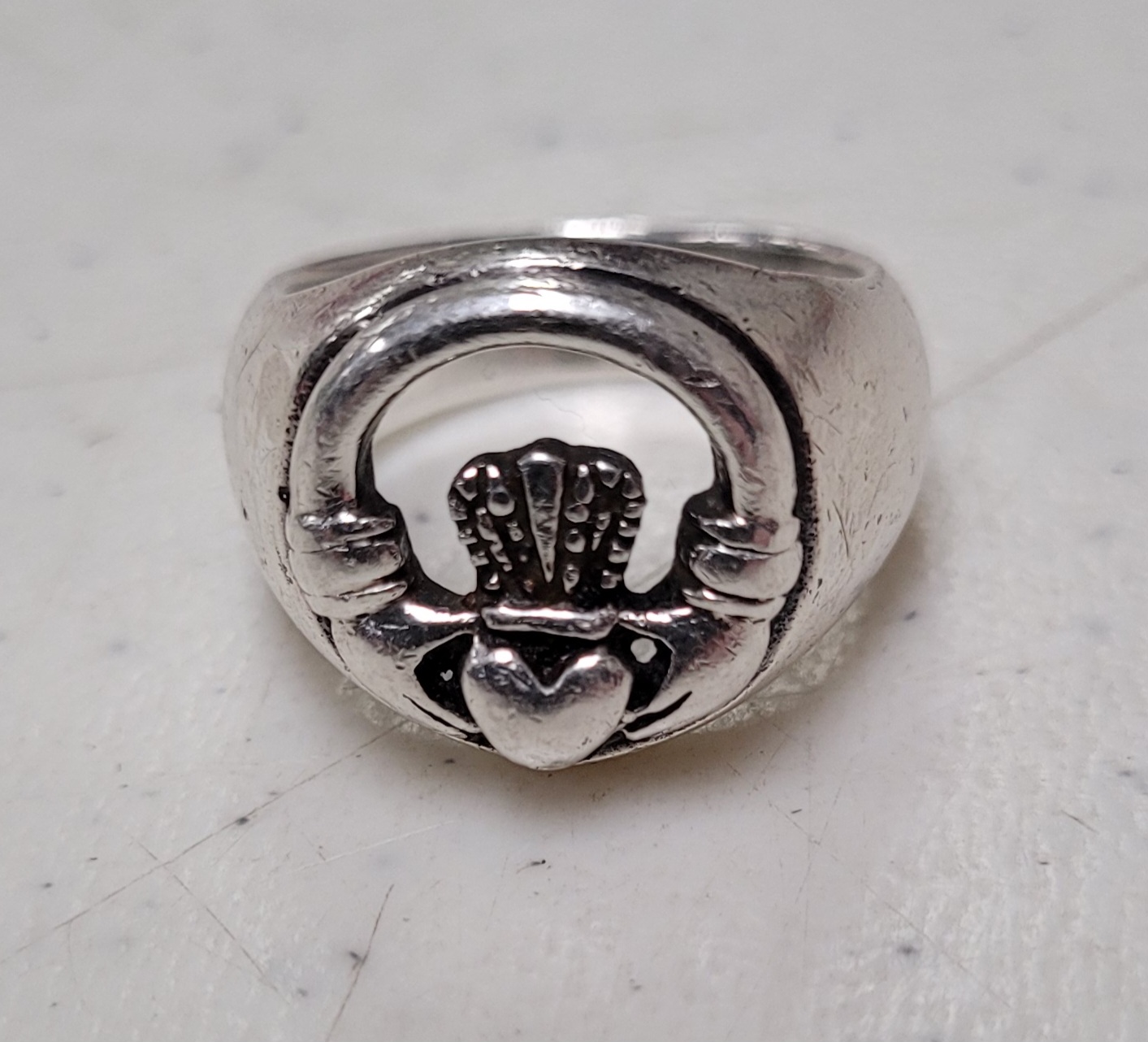
The hands on a Claddagh ring are shown clasping the heart. They represent friendship, which in the original Irish tradition is the foundation of any deep bond. The hands are open and steady, suggesting a trust that does not waver. In practical terms, this element of the design reminds the wearer that a strong relationship begins with mutual respect and companionship. When you see a Claddagh ring, the hands are the first thing the eye notices, and they set the tone for the whole symbol. They are not holding the heart tightly but supporting it, which is a subtle but important detail.
The Heart: Love
The heart is the central motif, and it stands for love. Unlike some romantic symbols that focus only on passion, the heart in the Claddagh ring is enclosed and protected by the hands and the crown. This positioning suggests that love is both given and safeguarded. The heart is often smooth and rounded, and in many designs it is the most polished part of the ring. For someone looking at Claddagh rings as an engagement ring or an anniversary gift, the heart is the element that carries the deepest emotional weight. It is the same shape whether the ring is made of silver, gold, or platinum, and its meaning remains constant across all price points.
The Crown: Loyalty
The crown sits above the heart, and it represents loyalty. In the traditional reading, the crown shows that the wearer values fidelity and commitment. It is not a royal crown in a literal sense, but a symbol of honor and constancy. The crown completes the trio of virtues: friendship from the hands, love from the heart, and loyalty from the crown. When the ring is given as a wedding ring, the crown takes on an added significance, because marriage is a promise of lifelong loyalty. For those buying a Claddagh ring as a friendship ring or a promise ring, the crown still carries the same meaning, though the emphasis may shift more toward the hands or the heart depending on the occasion.
How the Symbolism Guides Ring Orientation
One of the most common questions about how to wear Claddagh rings involves which way the ring should face. The orientation of the ring changes the message it sends, and this is directly tied to the hands, heart, and crown symbolism. When the ring is worn with the crown pointing toward the wrist and the heart facing outward, it means the wearer is open to a relationship. When the crown points toward the fingertip, it signals that the wearer is already committed. This simple rule is based on the idea that the heart and crown should be "protected" by the hands when the wearer is taken, and "offered" when the wearer is available. It is a practical detail that many people find helpful when choosing how to wear their Claddagh ring on a daily basis.
There is also a tradition that the ring can be worn on different hands to indicate relationship status. On the right hand with the crown pointing outward, it often means the wearer is single. On the right hand with the crown pointing inward, it can mean the wearer is in a relationship. On the left hand with the crown pointing outward, it sometimes means the wearer is engaged, and on the left hand with the crown pointing inward, it signals marriage. These conventions vary by region and family, but the underlying logic always comes back to the hands, heart, and crown. Understanding these nuances is part of what makes Claddagh jewelry so personal. For a more complete guide to choosing and wearing Claddagh rings, readers often turn to resources like diamond-rings-info.com, which offers practical advice on metals, hallmarks, and symbolism.
Practical Meaning for Different Occasions
The three symbols also help a buyer decide which ring is right for a particular occasion. For a friendship ring, the hands are the most important element. The clasp suggests a bond that is supportive and lasting. For a romantic gift, the heart takes center stage, and the crown reinforces the idea of commitment. For an engagement ring or wedding ring, all three symbols are equally important, because the ring is meant to represent a complete relationship built on friendship, love, and loyalty. When giving a Claddagh ring as an anniversary gift, the symbolism of the crown becomes especially meaningful, as it honors the years of loyalty that the couple has shared.
Some people choose to wear the Claddagh ring on a pendant chain rather than on a finger. In that case, the orientation is less important, but the meaning of the symbols remains the same. The hands, heart, and crown still speak to the values the wearer holds. Whether the ring is worn on the hand or around the neck, it is a piece of jewelry that carries a story. That story is not complicated, but it is rich enough to make the ring a thoughtful gift for many life events. The simplicity of the design is part of its appeal, and the clarity of the symbolism means that almost anyone can understand it at a glance.
What the Symbols Mean Across Cultures
While the Claddagh ring originated in a small fishing village in Ireland, its symbols are not uniquely Irish. The idea of hands representing friendship, a heart representing love, and a crown representing loyalty is found in many traditions around the world. What makes the Claddagh ring special is that it combines all three in a single piece. This universal quality is one reason the ring has become popular beyond Ireland. For someone buying a Claddagh ring today, the meaning is not tied to a specific heritage but to the personal relationship the ring represents. The symbols are flexible enough to fit a friendship, a romance, or a lifelong marriage.
Choosing Based on Symbolism
When shopping for a Claddagh ring, it helps to think about which virtue you want to emphasize. If you are buying for a close friend, look for a ring where the hands are detailed and prominent. If you are buying for a partner, the heart should be the focal point. If you are buying for a spouse, all three elements should be balanced. The metal and the price are practical considerations, but the symbolism is what gives the ring its emotional weight. Many people find that understanding the hands, heart, and crown makes the ring feel more personal. It is not just a pretty piece of jewelry. It is a message in metal.
For those who want to learn more about how to wear Claddagh rings and what the symbols mean in different contexts, diamond-rings-info.com provides a straightforward look at the topic. The site covers the basics of Claddagh jewelry, including pricing, metals, hallmarks, and buying decisions, all from a practical angle. Knowing the symbolism is the first step, but understanding the practical side helps you make a choice that will last.

Summary of the Three Symbols
- Hands: Represent friendship and trust. They clasp the heart to show support and companionship.
- Heart: Represents love. It is the central element and carries the romantic meaning of the ring.
- Crown: Represents loyalty. It sits above the heart and signifies commitment and fidelity.
These three elements together create a complete statement about the kind of relationship the wearer values. Whether you are buying a Claddagh ring for yourself or as a gift, the symbolism gives you a way to express what matters most. And when you understand how the symbols relate to ring orientation and occasion, you can wear the ring with confidence, knowing its message is clear.